

前言
最近有球友问我:分布式配置中心用哪些比较好。
今天就跟大家一起聊聊我认为最常用的5种分布式配置中心,希望对你会有所帮助。
加苏三的工作内推群
一、配置中心的演进
有些小伙伴在工作中可能还停留在传统的配置管理方式,让我们先来看看配置管理的演进历程。
配置管理的三个时代
1.0 时代:硬编码配置
配置硬编码在代码中:
// 远古时代的配置管理方式
public class DatabaseConfig {// 配置硬编码在代码中private static final String URL = "jdbc:mysql://localhost:3306/app";private static final String USERNAME = "root";private static final String PASSWORD = "123456";public Connection getConnection() {// 每次修改配置都需要重新编译部署return DriverManager.getConnection(URL, USERNAME, PASSWORD);}
}
每次修改配置都需要重新编译部署,显然非常不方便。
2.0 时代:配置文件外部化
通过配置文件管理:
# application.properties
db.url=jdbc:mysql://localhost:3306/app
db.username=root
db.password=123456
// 通过配置文件管理
@Configuration
public class DatabaseConfig {@Value("${db.url}")private String url;@Value("${db.username}")private String username;@Value("${db.password}")private String password;// 配置变更仍需重启应用
}
但配置变更仍需重启应用。
3.0 时代:配置中心时代
现代配置中心的使用方式:
// 现代配置中心的使用方式
@Configuration
public class DynamicDatabaseConfig {@Autowiredprivate ConfigService configService;// 配置动态更新,无需重启@RefreshScope@Beanpublic DataSource dataSource() {// 从配置中心实时获取配置String url = configService.getProperty("db.url");String username = configService.getProperty("db.username");String password = configService.getProperty("db.password");return DataSourceBuilder.create().url(url).username(username).password(password).build();}
}
配置动态更新,无需重启,程序能够从配置中心实时获取配置。
为什么需要配置中心?
让我们通过一个简单的对比来理解配置中心的价值:
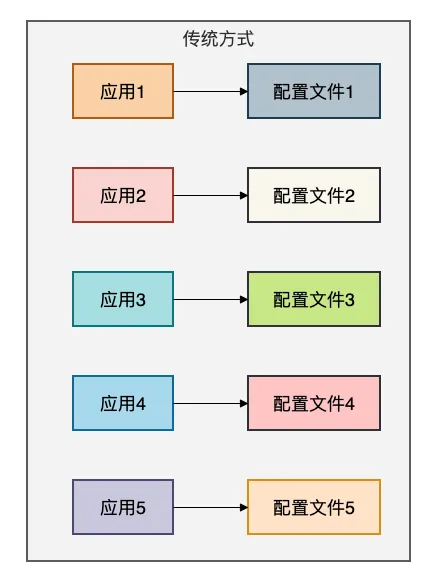
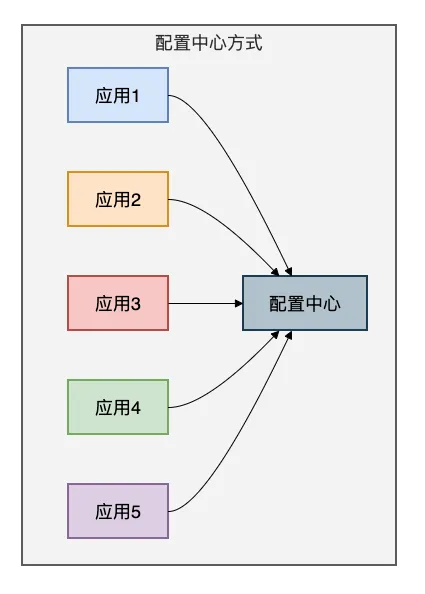
传统方式的配置文件分散到每个应用当中,非常不方便管理和唯一。
配置中心的核心价值:
- 统一管理:所有配置集中存储和管理
- 动态更新:配置变更实时推送到应用
- 版本控制:配置变更历史追踪和回滚
- 权限管控:敏感配置的访问控制
- 环境隔离:不同环境配置隔离管理
二、Spring Cloud Config:Spring生态的原生选择
有些小伙伴在工作中使用Spring Cloud体系时,首先接触到的可能就是Spring Cloud Config。
作为Spring Cloud家族的一员,它与Spring生态无缝集成。
架构深度解析
Spring Cloud Config采用经典的客户端-服务器架构:
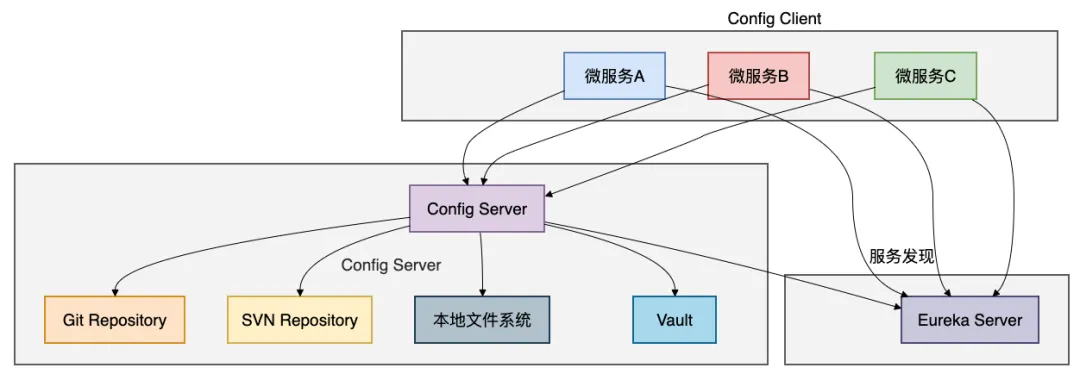
核心实现原理
配置服务器端实现:
@SpringBootApplication
@EnableConfigServer
public class ConfigServerApplication {public static void main(String[] args) {SpringApplication.run(ConfigServerApplication.class, args);}
}// 配置服务器核心配置
@Configuration
public class ConfigServerConfig {// 支持多种存储后端@Beanpublic MultipleJGitEnvironmentRepository multipleJGitEnvironmentRepository() {MultipleJGitEnvironmentRepository repository = new MultipleJGitEnvironmentRepository();// Git仓库配置Map<String, PatternMatchingJGitEnvironmentRepository> repos = new HashMap<>();repos.put("service-.*", createGitRepo("https://github.com/config/service-config"));repos.put("user-.*", createGitRepo("https://github.com/config/user-config"));repository.setRepos(repos);return repository;}private PatternMatchingJGitEnvironmentRepository createGitRepo(String uri) {PatternMatchingJGitEnvironmentRepository repo = new PatternMatchingJGitEnvironmentRepository();repo.setUri(uri);repo.setBasedir("/tmp/config-repo");return repo;}
}
配置客户端实现:
// 客户端启动配置
@SpringBootApplication
@EnableEurekaClient
public class UserServiceApplication {public static void main(String[] args) {SpringApplication.run(UserServiceApplication.class, args);}
}// 配置客户端核心逻辑
@Configuration
@RefreshScope
public class ApplicationConfig {// 动态配置注入@Value("${app.database.url:jdbc:mysql://localhost:3306/default}")private String databaseUrl;@Value("${app.redis.host:localhost}")private String redisHost;// 配置变更监听@EventListenerpublic void handleRefresh(EnvironmentChangeEvent event) {System.out.println("配置发生变更: " + event.getKeys());// 重新初始化相关组件refreshDataSource();}private void refreshDataSource() {// 动态重建数据源// 实际项目中需要更精细的控制}// 手动触发配置刷新@RestControllerclass RefreshController {@PostMapping("/refresh")public String refresh() {// 通过Actuator端点刷新配置return "Configuration refreshed";}}
}
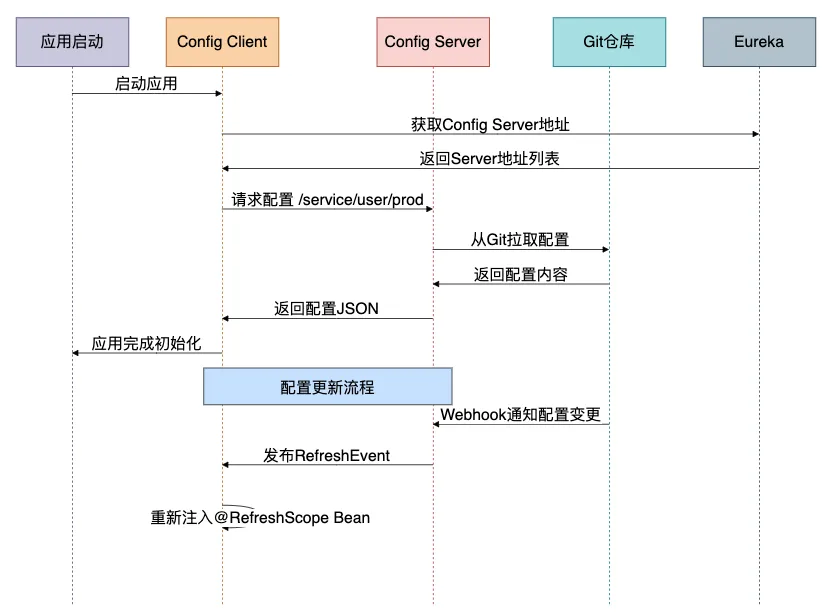
配置获取的详细流程
高级特性:配置加密
// 配置加密支持
@Configuration
public class EncryptionConfig {// 使用JCE加密敏感配置@Beanpublic TextEncryptor textEncryptor() {return new EncryptorFactory().create("my-secret-key");}
}// 加密配置的使用
public class SensitiveConfig {// 数据库密码加密存储// 在配置文件中存储为: {cipher}FKSAJDFGYOS8F7GLHAKERHG13K4H1KO@Value("${encrypted.db.password}")private String encryptedPassword;public String getDecryptedPassword() {// Config Server会自动解密return encryptedPassword;}
}
Spring Cloud Config的优缺点
优点:
- 与Spring生态完美集成
- 支持多种存储后端(Git、SVN、本地文件等)
- 配置版本化管理
- 配置加密支持
缺点:
- 配置变更需要手动刷新或依赖Git Webhook
- 客户端长轮询,实时性相对较差
- 缺乏友好的管理界面
- 高可用配置相对复杂
三、Apollo:携程开源的企业级配置中心
有些小伙伴在大型互联网公司工作,可能已经接触过Apollo。
作为携程开源的配置中心,它在功能和稳定性上都有很好的表现。
架构深度解析
Apollo采用分布式架构,支持高可用和水平扩展:
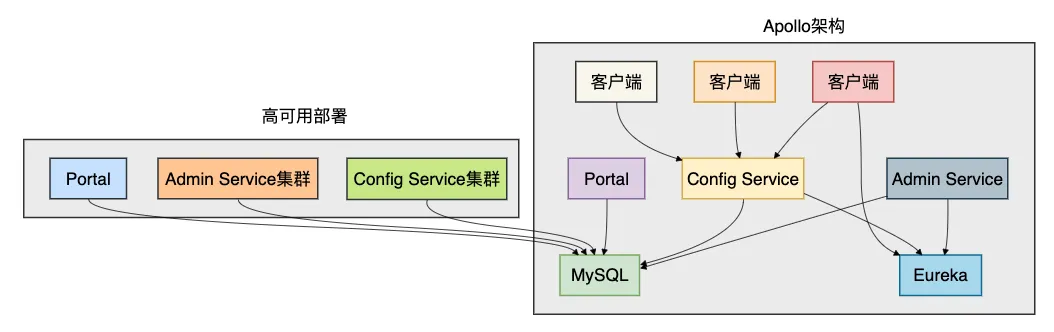
核心组件详细实现
客户端实现:
// Apollo客户端核心配置
@Configuration
public class ApolloClientConfig {@Beanpublic Config config() {// 系统属性配置Apollo Meta Server地址System.setProperty("apollo.meta", "http://apollo-config:8080");// 初始化配置Config appConfig = ConfigService.getAppConfig();// 添加配置变更监听器appConfig.addChangeListener(new ConfigChangeListener() {@Overridepublic void onChange(ConfigChangeEvent changeEvent) {for (String key : changeEvent.changedKeys()) {ConfigChange change = changeEvent.getChange(key);System.out.println(String.format("配置发生变更 - key: %s, oldValue: %s, newValue: %s, changeType: %s",change.getPropertyName(), change.getOldValue(),change.getNewValue(), change.getChangeType()));// 根据变更类型处理handleConfigChange(change);}}});return appConfig;}private void handleConfigChange(ConfigChange change) {switch (change.getPropertyName()) {case "app.database.url":refreshDataSource();break;case "app.redis.host":refreshRedisConnection();break;case "app.feature.toggle":updateFeatureToggle();break;}}
}// 配置使用示例
@Service
public class UserService {@Autowiredprivate Config config;// 获取配置值,支持默认值private String getDatabaseUrl() {return config.getProperty("app.database.url", "jdbc:mysql://localhost:3306/default");}// 获取整数配置private int getMaxConnections() {return config.getIntProperty("app.database.max-connections", 10);}// 获取布尔配置private boolean isFeatureEnabled() {return config.getBooleanProperty("app.feature.new-payment", false);}// 定时任务配置动态更新@Scheduled(fixedDelayString = "${app.job.delay:5000}")public void scheduledTask() {// 配置变更会自动生效int delay = config.getIntProperty("app.job.delay", 5000);System.out.println("当前任务间隔: " + delay);}
}
配置监听和动态更新:
// 高级配置监听模式
@Component
public class AdvancedConfigListener {private final Map<String, List<Consumer<String>>> configListeners = new ConcurrentHashMap<>();@PostConstructpublic void init() {Config config = ConfigService.getAppConfig();// 注册特定配置的监听器registerConfigListener(config, "app.database.url", this::onDatabaseUrlChange);registerConfigListener(config, "app.redis.cluster", this::onRedisClusterChange);registerConfigListener(config, "app.rate.limit", this::onRateLimitChange);}private void registerConfigListener(Config config, String key, Consumer<String> listener) {config.addChangeListener(changeEvent -> {if (changeEvent.isChanged(key)) {String newValue = changeEvent.getChange(key).getNewValue();listener.accept(newValue);}});// 保存监听器用于后续管理configListeners.computeIfAbsent(key, k -> new ArrayList<>()).add(listener);}private void onDatabaseUrlChange(String newUrl) {System.out.println("数据库URL变更为: " + newUrl);// 重新初始化数据源DataSourceManager.refresh(newUrl);}private void onRedisClusterChange(String newCluster) {System.out.println("Redis集群配置变更为: " + newCluster);// 重新连接Redis集群RedisClient.reconnect(newCluster);}private void onRateLimitChange(String newLimit) {System.out.println("限流配置变更为: " + newLimit);// 更新限流器配置RateLimiter.updateConfig(Integer.parseInt(newLimit));}
}
命名空间和多环境支持
// 多命名空间配置
public class MultiNamespaceConfig {// 获取默认命名空间配置private Config defaultConfig = ConfigService.getAppConfig();// 获取特定命名空间配置private Config databaseConfig = ConfigService.getConfig("DATABASE-NS");private Config featureConfig = ConfigService.getConfig("FEATURE-NS");private Config secretConfig = ConfigService.getConfig("SECRET-NS");public void useMultipleNamespaces() {// 从不同命名空间获取配置String dbUrl = databaseConfig.getProperty("url", "default-url");boolean newFeature = featureConfig.getBooleanProperty("new-ui", false);String apiKey = secretConfig.getProperty("api.key", "");// 根据配置初始化组件initializeServices(dbUrl, newFeature, apiKey);}// 公共配置和私有配置分离public void setupConfigHierarchy() {// 公共配置(应用级别)String appName = defaultConfig.getProperty("app.name", "unknown");// 数据库配置(数据库命名空间)String dbConfig = databaseConfig.getProperty("connection.pool", "default");// 特性开关(特性命名空间)boolean darkMode = featureConfig.getBooleanProperty("dark.mode", false);System.out.println(String.format("应用: %s, 数据库配置: %s, 暗黑模式: %s", appName, dbConfig, darkMode));}
}
Apollo配置更新流程
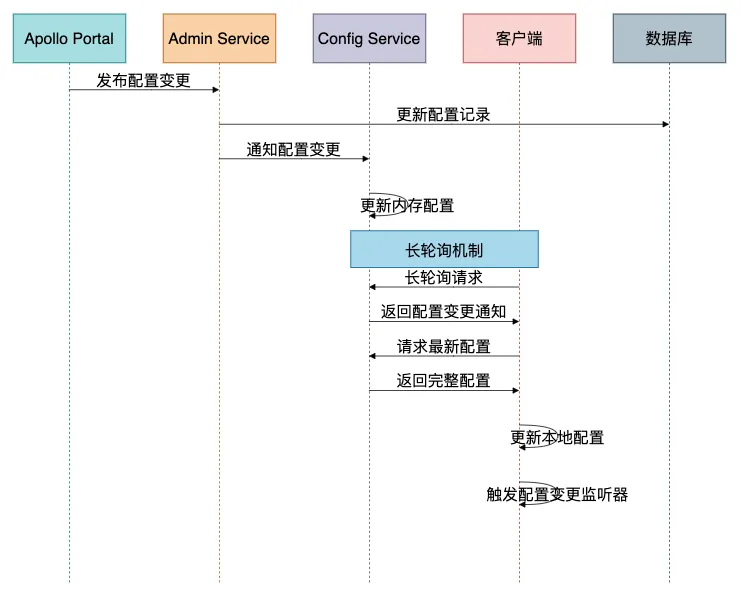
Apollo的优缺点
优点:
- 配置变更实时推送(1秒内)
- 完善的权限管理和审计
- 多环境、多集群、多命名空间支持
- 友好的管理界面
- 客户端配置缓存,高可用
缺点:
- 部署相对复杂
- 依赖MySQL等外部存储
- 客户端内存占用相对较高
四、Nacos:阿里巴巴开源的动态服务发现和配置管理
有些小伙伴在微服务架构中既需要服务发现又需要配置管理,Nacos提供了一个统一的解决方案。
架构深度解析
Nacos集服务发现和配置管理于一体:
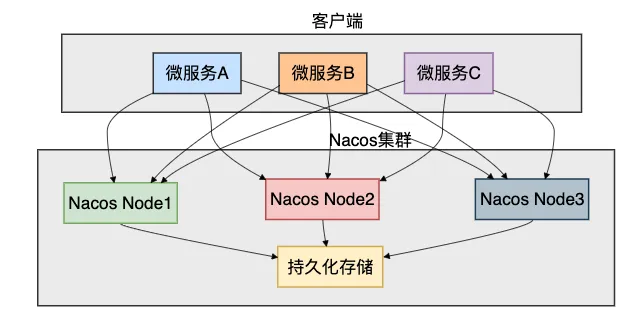
核心实现原理
Spring Cloud Alibaba集成:
// Nacos配置管理
@SpringBootApplication
@EnableDiscoveryClient
public class NacosApplication {public static void main(String[] args) {SpringApplication.run(NacosApplication.class, args);}
}// Nacos配置类
@Configuration
@NacosPropertySource(dataId = "user-service", autoRefreshed = true)
public class NacosConfig {// 通过注解获取配置@NacosValue(value = "${app.database.url:jdbc:mysql://localhost:3306/default}", autoRefreshed = true)private String databaseUrl;@NacosValue(value = "${app.thread.pool.size:10}", autoRefreshed = true)private int threadPoolSize;// 配置变更监听@NacosConfigListener(dataId = "user-service")public void onConfigChange(String newConfig) {System.out.println("配置发生变更: " + newConfig);// 解析新配置并应用applyNewConfig(parseConfig(newConfig));}// 手动获取配置@Autowiredprivate NacosConfigManager configManager;public String getConfig(String dataId) throws Exception {ConfigService configService = configManager.getConfigService();return configService.getConfig(dataId, "DEFAULT_GROUP", 5000);}
}// 服务发现集成
@Service
public class UserService {@Autowiredprivate NacosDiscoveryProperties discoveryProperties;@Autowiredprivate NacosServiceManager nacosServiceManager;public void registerService() {// 获取当前服务实例Instance instance = new Instance();instance.setIp("192.168.1.100");instance.setPort(8080);instance.setWeight(1.0);instance.setClusterName("DEFAULT");// 注册服务实例try {NamingService namingService = nacosServiceManager.getNamingService();namingService.registerInstance("user-service", instance);} catch (NacosException e) {throw new RuntimeException("服务注册失败", e);}}// 服务发现public List<Instance> discoverServices(String serviceName) {try {NamingService namingService = nacosServiceManager.getNamingService();return namingService.getAllInstances(serviceName);} catch (NacosException e) {throw new RuntimeException("服务发现失败", e);}}
}
配置管理和服务发现的协同:
// 配置驱动的服务发现
@Component
public class ConfigDrivenDiscovery {@Autowiredprivate NacosConfigProperties configProperties;@Autowiredprivate NacosDiscoveryProperties discoveryProperties;// 根据配置动态调整服务发现策略@NacosConfigListener(dataId = "discovery-strategy")public void onDiscoveryStrategyChange(String strategyConfig) {DiscoveryConfig config = parseDiscoveryConfig(strategyConfig);// 动态更新服务发现配置updateDiscoveryConfig(config);}private void updateDiscoveryConfig(DiscoveryConfig config) {// 更新集群配置discoveryProperties.setClusterName(config.getClusterName());// 更新负载均衡策略if ("weighted".equals(config.getLoadBalanceStrategy())) {enableWeightedLoadBalancing();} else {enableRoundRobinLoadBalancing();}// 更新健康检查配置updateHealthCheckConfig(config.getHealthCheck());}
}// 配置版本管理和回滚
@Service
public class NacosConfigVersioning {@Autowiredprivate ConfigService configService;// 获取配置历史版本public List<ConfigHistory> getConfigHistory(String dataId, String group) throws NacosException {// 查询配置变更历史List<ConfigHistory> history = new ArrayList<>();// 实际实现中会调用Nacos的历史版本API// 这里简化实现return history;}// 回滚到指定版本public boolean rollbackConfig(String dataId, String group, long version) throws NacosException {// 获取历史配置内容String historyConfig = getConfigByVersion(dataId, group, version);// 发布回滚后的配置return configService.publishConfig(dataId, group, historyConfig);}// 配置监听器管理public void manageConfigListeners(String dataId) {try {// 添加配置监听器configService.addListener(dataId, "DEFAULT_GROUP", new Listener() {@Overridepublic void receiveConfigInfo(String configInfo) {System.out.println("接收到配置变更: " + configInfo);handleConfigUpdate(configInfo);}@Overridepublic Executor getExecutor() {return Executors.newSingleThreadExecutor();}});} catch (NacosException e) {throw new RuntimeException("添加配置监听器失败", e);}}
}
Nacos配置更新机制
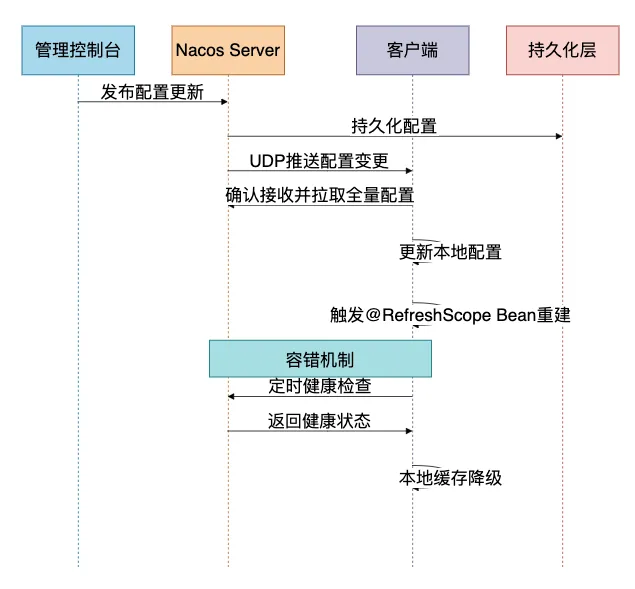
Nacos的优缺点
优点:
- 服务发现和配置管理一体化
- 支持AP和CP模式切换
- 配置变更实时推送
- 与Spring Cloud生态良好集成
- 相对轻量,部署简单
缺点:
- 管理界面相对简单
- 权限管理功能较弱
- 大规模集群性能需要验证
五、Consul:基于HashiCorp生态的服务网格配置中心
有些小伙伴在云原生环境中工作,可能接触过Consul。
它不仅是配置中心,更是完整的服务网格解决方案。
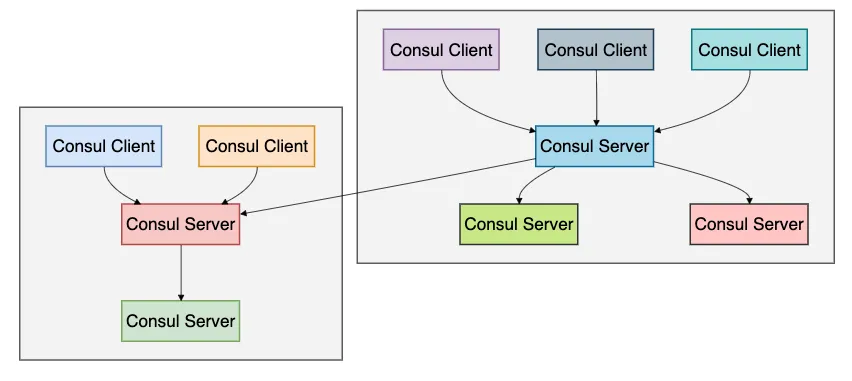
架构深度解析
Consul采用多数据中心架构:
核心实现原理
Java客户端集成:
// Consul配置管理
@Configuration
public class ConsulConfig {@Beanpublic ConsulClient consulClient() {// 创建Consul客户端return new ConsulClient("localhost", 8500);}@Beanpublic ConfigPropertySourceLocator configPropertySourceLocator() {return new ConsulConfigPropertySourceLocator(consulClient());}
}// Consul配置监听
@Component
public class ConsulConfigWatcher {@Autowiredprivate ConsulClient consulClient;private final Map<String, List<Consumer<String>>> watchers = new ConcurrentHashMap<>();@PostConstructpublic void init() {// 启动配置监听watchConfig("config/app/database");watchConfig("config/app/redis");watchConfig("config/app/features");}private void watchConfig(String key) {new Thread(() -> {while (true) {try {// 获取配置并设置监听Response<GetValue> response = consulClient.getKVValue(key);if (response.getValue() != null) {String config = response.getValue().getDecodedValue();notifyWatchers(key, config);}// 阻塞等待配置变更long lastIndex = response.getConsulIndex();response = consulClient.getKVValue(key, new QueryParams(BlockingMode.SOURCE, 60000, lastIndex));} catch (Exception e) {System.err.println("监听配置失败: " + e.getMessage());try {Thread.sleep(5000);} catch (InterruptedException ie) {Thread.currentThread().interrupt();break;}}}}).start();}public void registerWatcher(String key, Consumer<String> watcher) {watchers.computeIfAbsent(key, k -> new ArrayList<>()).add(watcher);}private void notifyWatchers(String key, String config) {List<Consumer<String>> keyWatchers = watchers.get(key);if (keyWatchers != null) {keyWatchers.forEach(watcher -> watcher.accept(config));}}
}// Spring Cloud Consul集成
@SpringBootApplication
@EnableDiscoveryClient
public class ConsulApplication {public static void main(String[] args) {SpringApplication.run(ConsulApplication.class, args);}
}// 配置使用示例
@Service
@RefreshScope
public class ConfigurableService {@Value("${app.database.url}")private String databaseUrl;@Value("${app.feature.new-payment:false}")private boolean newPaymentFeature;// 服务注册@EventListenerpublic void onApplicationReady(ApplicationReadyEvent event) {registerServiceWithConsul();}private void registerServiceWithConsul() {try {ConsulClient consulClient = new ConsulClient();NewService newService = new NewService();newService.setId("user-service-1");newService.setName("user-service");newService.setAddress("192.168.1.100");newService.setPort(8080);// 健康检查配置NewService.Check check = new NewService.Check();check.setHttp("http://192.168.1.100:8080/health");check.setInterval("10s");check.setTimeout("5s");newService.setCheck(check);consulClient.agentServiceRegister(newService);} catch (Exception e) {throw new RuntimeException("服务注册失败", e);}}
}
服务网格集成:
// Consul服务网格配置
@Component
public class ConsulServiceMesh {@Autowiredprivate ConsulClient consulClient;// 配置服务网格策略public void configureServiceMesh() {// 配置服务路由规则configureServiceRouter();// 配置负载均衡configureLoadBalancing();// 配置故障恢复策略configureResilience();}private void configureServiceRouter() {// 创建服务路由配置String routingConfig = """{"routes": [{"match": {"http": {"path_prefix": "/api/v1/"}},"destination": {"service": "user-service"}}]}""";// 将配置写入Consul KV存储consulClient.setKVValue("config/service-router", routingConfig);}// 多数据中心配置同步public void syncMultiDatacenterConfig() {// 配置跨数据中心服务发现String multiDcConfig = """{"datacenters": ["dc1", "dc2"],"failover": {"dc2": {"service": "user-service","policy": "failover"}}}""";consulClient.setKVValue("config/multi-dc", multiDcConfig);}
}
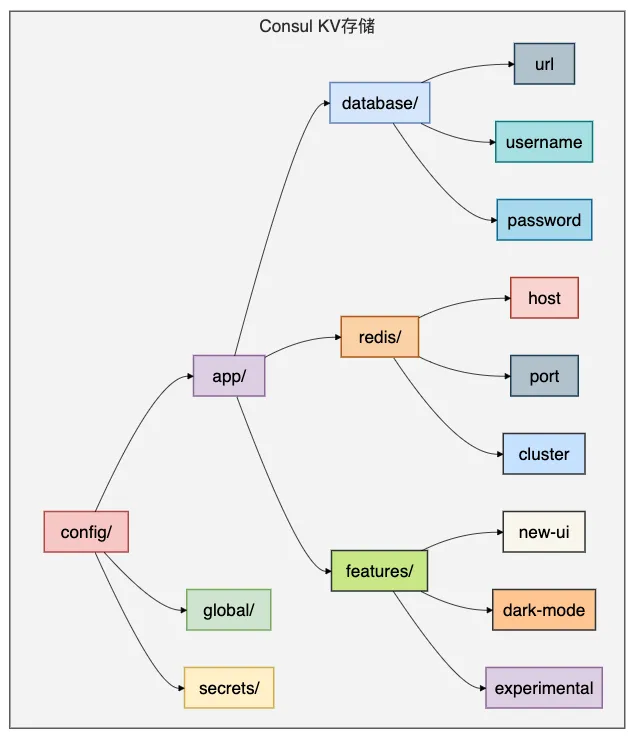
Consul配置存储结构
Consul的优缺点
优点:
- 完整的服务网格解决方案
- 多数据中心支持
- 强一致性和高可用性
- 健康检查和故障恢复
- 丰富的ACL和安全特性
缺点:
- 资源消耗相对较大
- 部署和运维复杂
- 学习曲线较陡
- 客户端集成相对复杂
六、Etcd:Kubernetes原生的键值存储配置中心
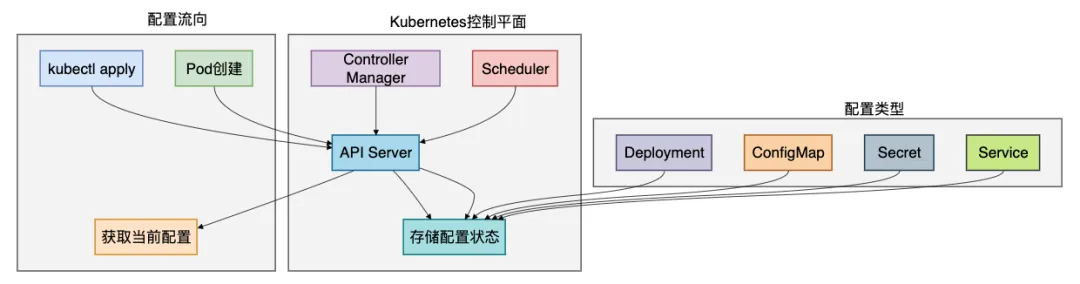
有些小伙伴在Kubernetes环境中工作,Etcd是必须了解的配置中心,因为它是Kubernetes的大脑。
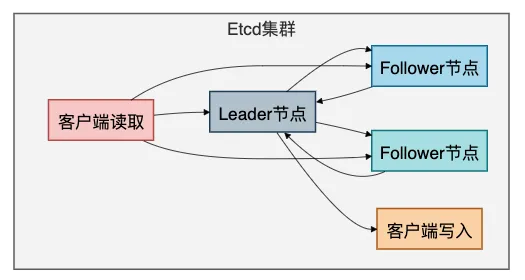
架构深度解析
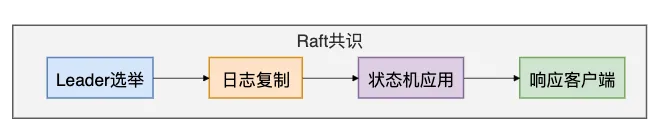
Etcd采用Raft一致性算法:
核心实现原理
Java客户端集成:
// Etcd客户端配置
@Configuration
public class EtcdConfig {@Beanpublic Client etcdClient() {// 连接Etcd集群return Client.builder().endpoints("http://etcd1:2379", "http://etcd2:2379", "http://etcd3:2379").build();}@Beanpublic KV etcdKV() {return etcdClient().getKVClient();}@Beanpublic Watch etcdWatch() {return etcdClient().getWatchClient();}
}// Etcd配置管理
@Service
public class EtcdConfigManager {@Autowiredprivate KV etcdKV;@Autowiredprivate Watch etcdWatch;private final Map<String, List<Consumer<String>>> configWatchers = new ConcurrentHashMap<>();// 保存配置public void saveConfig(String key, String value) {ByteSequence etcdKey = ByteSequence.from(key.getBytes());ByteSequence etcdValue = ByteSequence.from(value.getBytes());etcdKV.put(etcdKey, etcdValue).join();}// 获取配置public String getConfig(String key) {ByteSequence etcdKey = ByteSequence.from(key.getBytes());GetResponse response = etcdKV.get(etcdKey).join();if (response.getKvs().isEmpty()) {return null;}return response.getKvs().get(0).getValue().toString();}// 监听配置变更public void watchConfig(String key) {ByteSequence etcdKey = ByteSequence.from(key.getBytes());etcdWatch.watch(etcdKey, new Watch.Listener() {@Overridepublic void onNext(WatchResponse response) {for (WatchEvent event : response.getEvents()) {if (event.getEventType() == WatchEvent.EventType.PUT) {String newValue = event.getKeyValue().getValue().toString();notifyWatchers(key, newValue);}}}@Overridepublic void onError(Throwable throwable) {System.err.println("配置监听错误: " + throwable.getMessage());}@Overridepublic void onCompleted() {System.out.println("配置监听完成");}});}// 租约和TTL支持public void saveConfigWithTTL(String key, String value, long ttlSeconds) {ByteSequence etcdKey = ByteSequence.from(key.getBytes());ByteSequence etcdValue = ByteSequence.from(value.getBytes());// 创建租约Lease leaseClient = etcdClient().getLeaseClient();long leaseId = leaseClient.grant(ttlSeconds).join().getID();// 使用租约保存配置etcdKV.put(etcdKey, etcdValue, PutOption.newBuilder().withLeaseId(leaseId).build()).join();}
}// Kubernetes配置集成
@Component
public class KubernetesConfigSync {@Autowiredprivate EtcdConfigManager etcdConfigManager;// 同步Kubernetes ConfigMap到Etcdpublic void syncConfigMapToEtcd(String configMapName) {// 在实际实现中,这里会调用Kubernetes API获取ConfigMap// 然后同步到Etcd中Map<String, String> configData = getConfigMapData(configMapName);for (Map.Entry<String, String> entry : configData.entrySet()) {String etcdKey = "configmaps/" + configMapName + "/" + entry.getKey();etcdConfigManager.saveConfig(etcdKey, entry.getValue());}}// 从Etcd生成Kubernetes配置public Map<String, String> generateConfigFromEtcd(String prefix) {Map<String, String> config = new HashMap<>();// 获取指定前缀的所有配置// 实际实现中会使用范围查询return config;}
}
分布式锁实现:
// 基于Etcd的分布式锁
@Component
public class EtcdDistributedLock {@Autowiredprivate Client etcdClient;private final Map<String, Lock> locks = new ConcurrentHashMap<>();public boolean tryLock(String lockKey, long timeoutSeconds) {try {Lock lockClient = etcdClient.getLockClient();Lock lock = lockClient.lock(ByteSequence.from(lockKey.getBytes()), timeoutSeconds);if (lock != null) {locks.put(lockKey, lock);return true;}return false;} catch (Exception e) {throw new RuntimeException("获取锁失败: " + e.getMessage(), e);}}public void unlock(String lockKey) {Lock lock = locks.get(lockKey);if (lock != null) {try {lock.unlock();locks.remove(lockKey);} catch (Exception e) {throw new RuntimeException("释放锁失败: " + e.getMessage(), e);}}}// 配置更新的分布式锁保护public void updateConfigWithLock(String configKey, String newValue) {String lockKey = "lock:" + configKey;if (tryLock(lockKey, 30)) {try {// 在锁保护下更新配置etcdConfigManager.saveConfig(configKey, newValue);// 模拟复杂的配置更新逻辑Thread.sleep(1000);} catch (Exception e) {throw new RuntimeException("配置更新失败", e);} finally {unlock(lockKey);}} else {throw new RuntimeException("获取配置更新锁超时");}}
}
Etcd在Kubernetes中的角色
Etcd的优缺点
优点:
- 高性能,低延迟
- 强一致性保证
- Kubernetes原生支持
- 简单的API设计
- 可靠的分布式锁
缺点:
- 功能相对简单
- 缺乏友好的管理界面
- 客户端生态相对较小
- 运维复杂度高
七、5大配置中心对比
通过前面的详细分析,我们现在对这五种配置中心有了深入的了解。
让我们通过一个全面的对比来帮助大家做出正确的技术选型。
详细对比表格
| 特性维度 | Spring Cloud Config | Apollo | Nacos | Consul | Etcd |
|---|---|---|---|---|---|
| 配置实时推送 | 需要手动刷新 | 1秒内实时推送 | 实时推送 | 实时推送 | 实时推送 |
| 配置格式支持 | 多种格式 | 多种格式 | 多种格式 | Key-Value | Key-Value |
| 权限管理 | 基础 | 完善 | 基础 | 完善 | 基础 |
| 版本管理 | Git版本管理 | 完善 | 基础 | 基础 | 基础 |
| 服务发现 | 需集成Eureka | 不支持 | 支持 | 支持 | 支持 |
| 管理界面 | 无 | 完善 | 完善 | 基础 | 无 |
| 部署复杂度 | 简单 | 复杂 | 中等 | 复杂 | 中等 |
| 生态集成 | Spring Cloud原生 | 需客户端集成 | Spring Cloud Alibaba | HashiCorp生态 | Kubernetes原生 |
选型指南
选择Spring Cloud Config当:
- 已经在使用Spring Cloud全家桶
- 团队熟悉Git工作流
- 配置实时性要求不高
- 希望最小化外部依赖
选择Apollo当:
- 企业级应用,需要完善的权限管理
- 配置频繁变更,需要实时生效
- 多环境、多集群管理需求
- 需要友好的管理界面
选择Nacos当:
- 需要统一的配置管理和服务发现
- Spring Cloud Alibaba技术栈
- 希望部署和维护相对简单
- 对权限管理要求不高
选择Consul当:
- 需要完整的服务网格解决方案
- 多数据中心部署
- 强一致性和高可用性要求
- 丰富的安全特性需求
选择Etcd当:
- Kubernetes环境
- 高性能和低延迟要求
- 强一致性保证
- 相对简单的配置管理需求
实战场景建议
场景1:传统企业微服务改造
推荐:Spring Cloud Config + Eureka
理由:技术栈统一,学习成本低,与现有Spring体系完美集成
场景2:大型互联网电商平台
推荐:Apollo
理由:配置频繁变更,需要完善的权限审计,多环境管理
场景3:云原生技术栈
推荐:Nacos 或 Consul
理由:服务发现和配置管理一体化,云原生生态友好
场景4:Kubernetes环境
推荐:Etcd(Kubernetes内置) + 可选Nacos用于应用配置
理由:基础设施和应用配置分离,各司其职
总结
在选择配置中心时需要考虑以下关键因素:
- 技术栈匹配:选择与团队技术栈最匹配的方案
- 功能需求:根据实际的配置管理需求选择合适的功能集
- 运维成本:考虑部署、监控、维护的复杂度
- 社区生态:选择有活跃社区和良好生态支持的项目
- 长期演进:考虑技术的长期发展和演进路径
记住,没有最好的配置中心,只有最适合的配置中心。
最后说一句(求关注,别白嫖我)
如果这篇文章对您有所帮助,或者有所启发的话,帮忙关注一下我的同名公众号:苏三说技术,您的支持是我坚持写作最大的动力。
求一键三连:点赞、转发、在看。
关注公众号:【苏三说技术】,在公众号中回复:进大厂,可以免费获取我最近整理的10万字的面试宝典,好多小伙伴靠这个宝典拿到了多家大厂的offer。
更多项目实战在我的技术网站:http://www.susan.net.cn/project